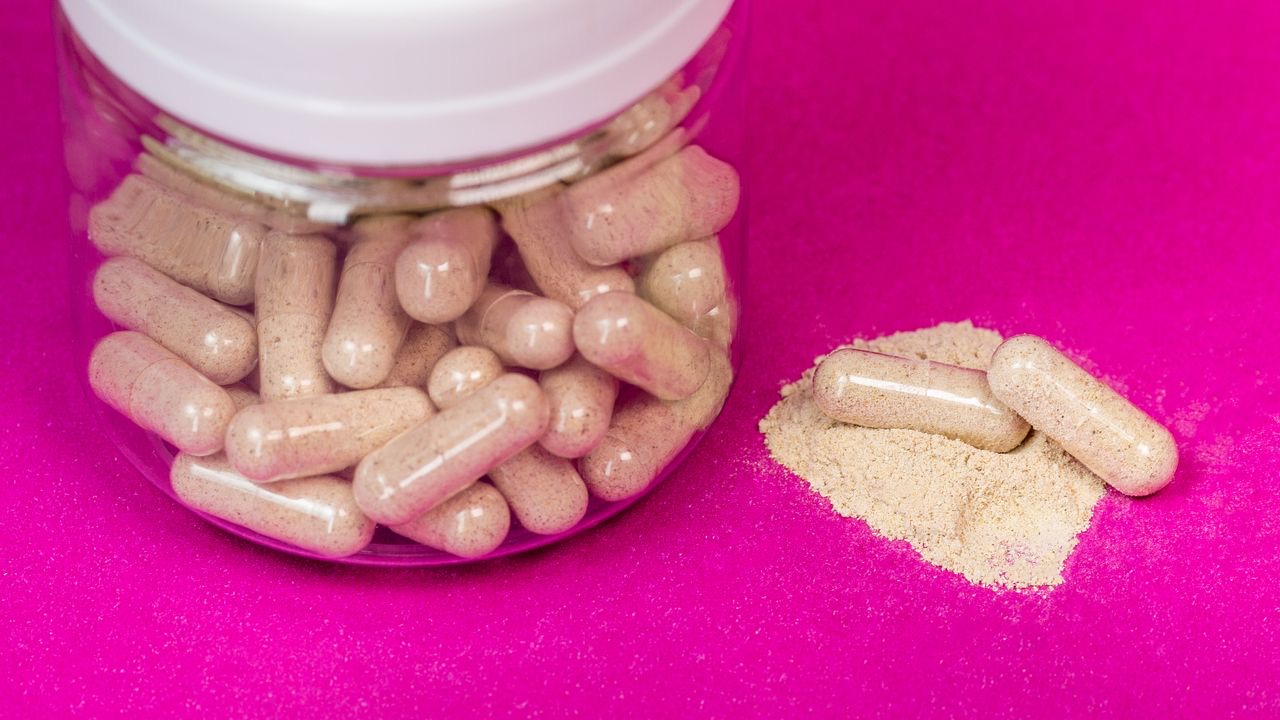
Glutathione shows up in a wider range of product categories than most active ingredients. In a single pharmacy or supplement retailer, you might find it in softgels, effervescent tablets, sublingual strips, skin serums, brightening creams, IV drip formulations, and inhalable preparations. Each of these product types uses glutathione differently, and the raw material requirements — purity, particle size, formulation compatibility — are not the same across categories.
For anyone sourcing glutathione powder for product development, understanding how the delivery method affects what you need from the ingredient is more useful than treating “glutathione powder” as a single undifferentiated commodity.
Oral supplement applications
Oral glutathione supplements — capsules, tablets, powders, gummies — are the most common consumer-facing format. The formulation challenge for oral glutathione is bioavailability: the gastrointestinal environment can cleave the glutathione tripeptide before it’s absorbed, which is why early research raised doubts about whether standard oral glutathione supplements meaningfully raised systemic glutathione levels.
Several approaches have been developed to address this:
Liposomal encapsulation wraps glutathione in lipid vesicles that protect it from degradation in the GI tract and facilitate absorption through the intestinal wall. Liposomal glutathione products have demonstrated better bioavailability in clinical studies than standard oral glutathione, and they command a premium price point that reflects the more complex manufacturing process.
Sublingual and buccal formats — strips, tablets that dissolve under the tongue or against the cheek — bypass the gastrointestinal environment entirely by delivering glutathione directly to the mucosal tissue in the mouth, where it can enter circulation without going through the digestive process first. Absorption via oral mucosa is incomplete but avoids the enzymatic degradation issue.
Standard oral glutathione powder in capsules or drink mixes is the simplest and most cost-effective format. Some formulations pair it with supporting ingredients — vitamin C, N-acetylcysteine, alpha-lipoic acid — that may enhance glutathione synthesis or recycling and partially compensate for incomplete oral absorption.
For oral supplement manufacturers, the purity specification for glutathione powder is typically 98% or higher, with tight limits on heavy metals and residual solvents. Particle size matters for dissolution rate and encapsulation efficiency; formulators who are filling capsules have different preferences than those making effervescent tablets or drink powders.
Topical cosmetic applications
The skin brightening angle drives a significant portion of the cosmetic market for glutathione. The proposed mechanism involves glutathione’s interaction with melanin synthesis: it inhibits tyrosinase, the enzyme that catalyzes melanin production, and may shift melanin synthesis toward lighter-colored pheomelanin rather than darker eumelanin.
Using glutathione powder as a topical active ingredient presents a different set of formulation challenges than oral use. The skin is designed to be a barrier, and water-soluble molecules like glutathione don’t penetrate readily through the stratum corneum — the outermost layer of skin. Topical products rely on penetration enhancement strategies: emulsification systems that temporarily disrupt the stratum corneum barrier, encapsulation in liposomes or nanoparticles, or combination with permeation-enhancing co-ingredients.
The concentration of glutathione in topical formulations is typically between 0.5% and 2%, though formulations outside this range exist. Stability in the cosmetic base is a real consideration: glutathione is susceptible to oxidation in aqueous formulations, particularly at higher pH and in the presence of transition metal ions. Formulators stabilize it with antioxidant systems (vitamin C, vitamin E), pH control, and chelating agents, or use anhydrous formats where the ingredient is protected from water contact.
Cosmetic-grade glutathione powder for topical use needs to meet the same purity standards as oral grade but may have additional requirements around microbiological quality and the absence of irritating impurities, since the skin is a more sensitive exposure route than the gut for certain contaminants.
Injectable and IV-grade glutathione
Injectable glutathione represents the most demanding purity and quality specification. When any substance is administered intravenously or intramuscularly, it bypasses the body’s normal filtration systems — the GI barrier that excludes particulates and many contaminants, and the liver’s first-pass metabolism. Anything in the injection solution goes directly into the bloodstream, which means contamination that would be harmless if swallowed can cause serious adverse reactions if injected.
Injectable-grade glutathione must meet pharmaceutical-grade standards: typically 99%+ purity, endotoxin testing (pyrogen-free specification), sterility testing, and full traceability of the manufacturing process to pharmaceutical GMP standards. The raw powder is usually formulated into lyophilized (freeze-dried) vials or sterile solutions at a licensed pharmaceutical compounding facility or manufacturer, not mixed from bulk powder in a non-pharmaceutical setting.
The IV glutathione drips offered at some wellness clinics use pharmaceutical-grade formulations from licensed compounders. The purity and safety requirements for these preparations are substantially different from supplement-grade powder, and using supplement-grade material in an injectable preparation is not appropriate — the endotoxin and sterility requirements alone distinguish the two categories.
Inhalation applications
Nebulized glutathione — converted to a fine mist and inhaled into the lungs — is used in some pulmonary applications, primarily in clinical research settings studying conditions like cystic fibrosis, pulmonary fibrosis, and other lung diseases where local antioxidant activity in the airway is the therapeutic goal.
Inhaled glutathione goes through the lung epithelium rather than the GI tract, so GI bioavailability concerns don’t apply, but the formulation must be appropriate for inhalation: sterile, free from particles that could cause airway irritation, and pH-adjusted to avoid bronchoconstriction. This is a specialized application with specific clinical protocols rather than a mainstream consumer product format.
The grade question in practice
For product developers, the practical takeaway from these category differences is that not all glutathione powder is interchangeable. The grade distinction — supplement, cosmetic, pharmaceutical — matters for both regulatory compliance and product performance.
A manufacturer developing an oral supplement can work with supplement-grade material meeting USP or EP monograph specifications. A cosmetic formulator needs cosmetic-grade material with appropriate purity and microbiological specifications. Anyone involved in injectable preparations needs pharmaceutical-grade material from a licensed pharmaceutical manufacturer, full stop — this isn’t an area where cost savings on raw material specification are appropriate.
Working with a supplier who can provide documentation appropriate for the intended application — certificate of analysis, testing against the relevant pharmacopeia monograph, heavy metals testing, residual solvent analysis — is a baseline requirement regardless of which product category you’re developing for.